A garage door opener usually gets focus just when it fails. Someday you touch the wall surface switch or the remote, hear a click, and absolutely nothing actions. Or the motor hums, the lights blink, and the door rejects to move. Sometimes the trouble is small, like a dead battery in the remote. Other times it points to a used springtime, a misaligned safety and security sensing unit, or a door that has ended up being as well hefty for the opener to lift safely.
After years of seeing the very same calls can be found in, both for domestic garage door repair and commercial garage door repair, one pattern stands apart. A lot of opener failings are not truly opener failings. The motor system obtains condemned since it is the visible piece with the light and the button, yet the root cause typically rests elsewhere in the system. Tracks, rollers, springs, cable televisions, traveling settings, electrical wiring, and even seasonal temperature swings all play a part. If one part drifts out of spec, the opener responds by stopping, reversing, or straining.
That matters because guessing can make the issue even worse. A property owner replaces a remote when the issue is actually a locked wall surface console. A residential or commercial property supervisor presumes the electric motor is worn out when a broken torsion spring has actually made the door as well heavy. Someone compels the door closed, flexes a section, and turns a tiny service call into a bigger garage door repair.
The good news is that garage door openers are rather foreseeable once you understand how they stop working. A sensible troubleshooting process can separate safe diy checks from repairs that require a skilled technician.
Start with what the opener is telling you
Modern openers do not stop working silently. They typically give hints. The system may hum but stagnate. The door may drop 6 inches and turn around. The overhanging light may blink a code. The wall surface switch might work while the remote does not. The opener might run, yet the door sits tight since the trolley has actually been disengaged.
Those symptoms point in different instructions. When the motor runs and the door does not move, the opener might be disconnected from the door by the emergency situation launch. When the door begins to close and afterwards reverses, the safety sensors or take a trip settings are often entailed. If nothing happens in all, power supply, circuitry, a locked console, or fell short reasoning board become more likely.
One of one of the most common blunders is changing components before reading the sign accurately. If you press the remote and listen to the opener click, the receiver has actually probably obtained the signal. That suggests the remote battery might not be the problem. If the wall switch does nothing either, the problem is probably not the remote at all. Tiny observations save time and money.
The most basic reasons are still worth checking
It appears obvious, yet several service calls beginning with power. An opener connected into a ceiling electrical outlet can lose power if the plug loosens up in time, if a GFCI electrical outlet upstream journeys, or if a breaker partially trips. I have actually also seen outlets regulated by an unexpected wall surface switch, specifically in older garages where wiring was modified during a remodel.
Remotes create one more layer of easy-to-miss failure. Batteries weaken gradually. Buttons wear out. A vehicle visor remote can shed programs after a battery modification in the auto. If the keypad works but the portable remote does not, you likely have a transmitter issue. If the wall surface switch functions but neither the remote nor keypad reacts, the receiver or reasoning board might be at fault, though it is a good idea to dismiss lock setting first. Several wall surface consoles have a getaway or lock attribute that disables radio signals while leaving the wired switch active.
Then there is the emergency launch cord. If someone drew it during a power blackout and never re-engaged it, the opener will certainly run yet the trolley will certainly not pull the door. From the floor, it looks like a dead opener. In truth, the device is doing its job and the drive system is merely disconnected.
Safety sensors create more problem than many people expect
If your garage door opens usually but will not shut, or shuts partway and turns around, consider the photo-eye sensors near the bottom of the tracks. These tiny tools have actually stopped many injuries and harmed bumpers, but they are also conscious imbalance, dust, vibration, and circuitry faults.
On lots of systems, one sensing unit reveals a consistent light and the other modifications condition when the beam is lined up. A solid indication generally means the sensing unit sees what it should. A flickering or dark light often means difficulty. The reason might be a bumped bracket, webs on the lens, a loose low-voltage wire staple, or direct sunlight washing out the light beam at a particular hour of the day.
I bear in mind a solution telephone call where the customer urged the opener just stopped working in late afternoon. That seemed weird until we viewed the sunlight hit the obtaining sensor with a narrow side window. The light beam was technically straightened, yet the receiver shed it in the glare. A small guard and small bracket modification solved what had actually been treated as a recurring opener failure for weeks.
When sensors are the concern, the opener is typically protecting you, not malfunctioning. That distinction matters.
When the door itself is the real problem
An opener is not implied to muscle through a poor door. It is designed to assist an appropriately balanced door. If the springs are doing their job, a conventional domestic door ought to really feel workable by hand when disconnected from the opener. It should not fly upward or pound down. It ought to stay near mid-travel with only small drift. When it does not, the opener strains, overheats, or quits as a safety and security response.
This is where lots of people misdiagnose the system. They hear the electric motor groan and think the garage door opener has ended up being weak. Actually, openers do not gradually shed horse power the way people picture. What normally changes is the resistance of the door. Rollers use, hinges bind, tracks change, and springtime stress adjustments in time. The electric motor is currently drawing a lots it was never ever meant to carry.
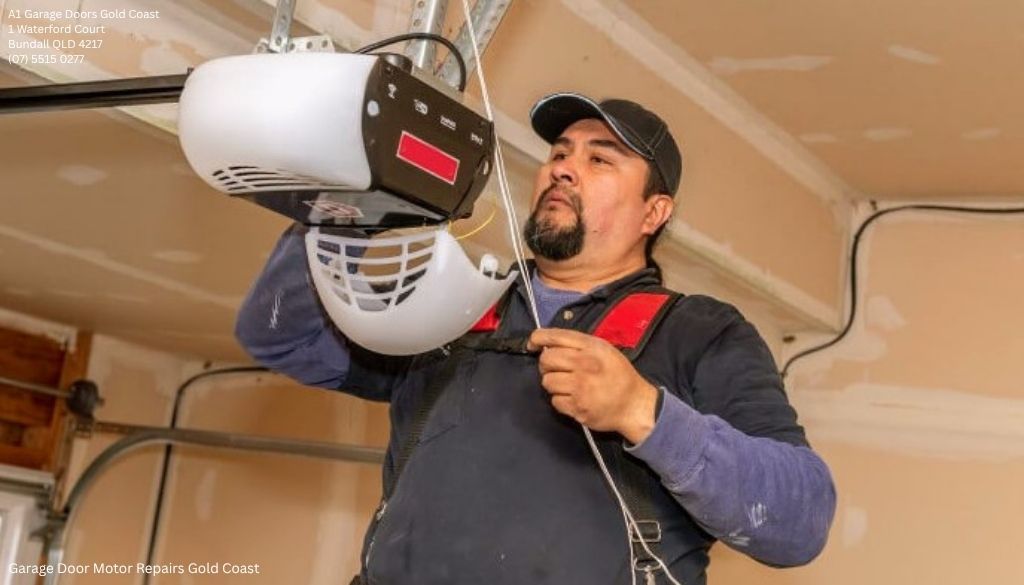
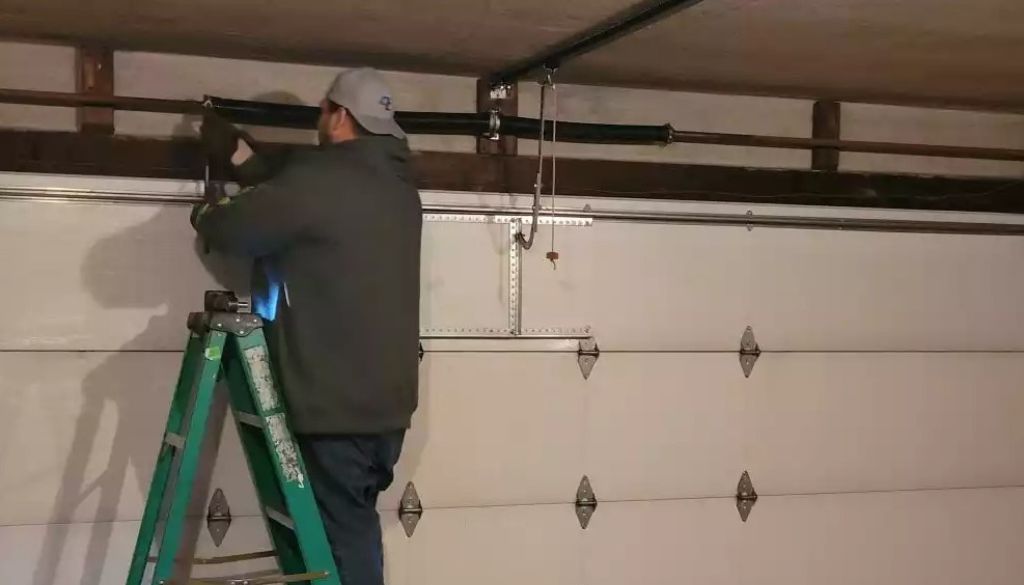
A broken torsion spring is the clearest example. If one springtime breaks, the door can unexpectedly come to be incredibly hefty, in some cases adding well over a hundred extra pounds of effective training tons relying on the door size. The opener might relocate the door a few inches and quit, or it may not move it in any way. This is not a case for more powerful pressure settings. It is an instance for Garage door spring replacement, made with proper tools and training. Springs are under severe stress, and this is one repair where experience matters more than confidence.
Commercial doors increase the stakes further. In commercial garage door repair, the curtain weight, cycle matter, and spring setting up can make opener signs look electric when the real concern is mechanical fatigue. A stockroom operator might report that the opener is reluctant or stalls. A closer evaluation reveals a binding track, frayed cable televisions, or a door out of equilibrium after high-cycle usage. On heavier systems, compeling operation can cause expensive civilian casualties quickly.
A practical repairing sequence
Before thinking the opener needs substitute, overcome the basics in a tranquil order:
Confirm power to the opener, then check the wall button, remote, and keypad separately. Check whether the wall console is in lock setting and whether the trolley is still engaged. Inspect the safety sensors for placement, tidy lenses, and safe and secure wiring. Disconnect the opener and examination the door by hand for equilibrium, binding, or unusual weight. Listen for grinding, humming, or duplicated reversing that recommends equipment wear or travel setting issues.This sequence is easy, however it captures an unusual variety of situations. It additionally aids you explain the problem plainly if you wind up requiring service. A service technician can do far more with, "The wall surface button functions, the remote does not, and the sensor light flickers when the door is midway down," than with, "It just quit."
Travel limitations and pressure settings are often misunderstood
Most openers make use of traveling restrictions to establish exactly how much the door must open up and shut, and force setups to spot resistance. If the close limit is established as well much, the door might hit the flooring and reverse due to the fact that the opener senses excess resistance. If the open limit is off, the door may not totally clear the opening or might crash the quit bolts. If force is set also low, the opener may quit during typical activity. If established expensive, the opener can end up being unsafe and mask a real mechanical problem.
Homeowners in some cases transform force changes strongly after viewing a video clip, especially when the door has begun sticking in winter. That can produce a hazardous arrangement. If the rollers are tight or the lower seal is frozen to the slab, raising force may obtain the door moving for a day or more. It does not fix the underlying problem. It simply teaches the opener to press harder against resistance it need to be respecting.
Travel and force changes do have their place. After garage door installment, after changing climate seal, after track adjustments, or after opener substitute, fine tuning might be required. The point is judgment. Readjust setups just when the door itself is in good shape and relocates effectively by hand.
Worn gears, removed drives, and maturing logic boards
Sometimes the opener really is the wrongdoer. Older chain drive and belt drive devices can suffer gear wear, particularly if they have actually spent years lifting an out of balance door. A timeless sign is an electric motor that runs while the chain or belt thinks twice, jerks, or fails to relocate the cart appropriately. Inside some devices, a plastic drive equipment uses down and drops shavings. When service technicians open the housing and locate fine white particles, that is frequently the story.
Logic boards fail as well, though less considerably. A rise, dampness breach, age, or duplicated vibration can damage the board. Symptoms vary. Remotes stop configuring. The light flashes erratically. The wall surface button works inconsistently. The opener acts normally for a week and after that goes dead for no apparent reason. Due to the fact that these signs overlap with wiring faults and accessory failings, medical diagnosis needs to be methodical.
There is also the problem old. If an opener is fifteen to twenty years of ages and replacement parts are restricted, repair work might not be the most effective investment. A new device can bring quieter operation, battery backup, stronger LED illumination, smartphone control, and improved safety functions. That is specifically pertinent after a new garage door installation, where matching an old undersized opener with a smooth new door often makes little sense.
Cold weather condition, moisture, and seasonal movement
Garage systems are much more seasonal than many people realize. In winter season, grease enlarges, metal contracts, and rubber seals can stay with the floor. Wood doors absorb wetness and swell. In summertime, expansion can tighten up clearances, specifically on older framing that has moved with time. These modifications can be subtle sufficient that the door functions most days and stops working only under certain conditions.
A frequent winter months complaint goes like this: the opener begins, the door rises two inches, and afterwards quits. If the lower seal has actually adhered the piece, the opener is appropriately checking out an abrupt resistance spike. Drawing harder on the force setup is the incorrect feedback. Clearing ice, cleaning the limit, and utilizing an ideal silicone-based lube on joints and rollers is the much better step. Hefty grease in the wrong areas typically attracts grit and produces its very own drag, so item selection matters.
Humidity brings another pattern. Steel doors are steady, but track hangers, mounting, and bolts can move sufficient to influence positioning in older garages. On timber doors, panel activity can increase massaging at the quits. The opener ends up being the messenger for a structural concern that created gradually over seasons.
When a remote trouble is truly a signal problem
Not every remote failure is about the remote itself. Disturbance can reduce range or block interaction completely. LED light bulbs in or near the opener have actually caused extra migraines than people anticipate. Some low-quality LEDs create superhigh frequency sound that disrupts the opener receiver. The customer reports that the remote only works from a few feet away, or functions when the opener light is off. Swap the light bulbs, and variety returns.
Nearby electronics, new security systems, and even a neighbor's tools can develop signal problems, though these are much less typical. In commercial setups, metal buildings and big equipment include complexity. A receiver antenna put up into the housing as opposed to hanging down properly can also reduce range substantially. That is a straightforward solution that obtains missed out on often.
If your wall surface switch functions accurately and the sensors are fine, but your remote variety has actually gone down dramatically, think of disturbance prior to changing the entire opener.
What you can safely do yourself, and what you must leave alone
Some garage door problems are completely sensible for a mindful home owner to address. Others carry sufficient threat that a specialist should handle them, particularly where spring stress, cable television directing, or structural placement are involved.
Here is a useful splitting line:
Safe homeowner checks include replacing remote batteries, cleaning up sensor lenses, checking for lock setting, and validating the opener has power. Moderate do it yourself jobs may include reprogramming a remote, transforming a light bulb that is opener-compatible, or lubricating hinges and rollers with the proper product. Technician region starts with springtime job, cord repair work, bent track improvement, opener equipment replacement, and any kind of diagnosis including revealed inner electrical components. Emergency service is wise when the door is stuck open, hangs jagged, goes down greatly, or makes sharp snapping noises. Immediate stop conditions consist of noticeable broken springtimes, frayed cable televisions, and a door that will not remain in area when disconnected.That line exists for a reason. I have seen people conserve fifty dollars on a solution phone call and develop a five-hundred-dollar fixing forcibly the door, securing the incorrect part, or readjusting spring hardware without understanding the load involved.
Signs that substitute makes more sense than repair
There is no global age at which every opener should be changed, yet there are clear circumstances where fixing declines. Repeated reasoning board problems, outdated security parts, persistent drive wear, and poor components schedule are all red flags. An additional indicator is mismatch. A modern-day protected dual door coupled with an aging light-duty opener often functions, however not well. The system may be noisy, slow, and prone to hassle reversals.
Cost matters also. If a major fixing methods half the expense of a quality replacement, lots of proprietors pick the new device, especially if they prepare to stay in the home. For landlords and center managers, downtime matters as high as direct expense. In a busy industrial setting, one unstable opener can interrupt deliveries, subject inventory, or create protection troubles. In those situations, replacement is commonly the practical option, not the elegant one.
On the residential side, replacement likewise ends up being appealing after a significant door upgrade. If you invest in garage door setup for aesthetic allure, insulation, or storm resistance, the opener should match the efficiency of the new system. Quiet belt drives, DC motors, soft beginning, and battery backup are not simply nice bonus. They change how the system really feels every day.
How experts identify the problem faster
A trained garage door specialist generally starts with the very same wide questions a property owner should ask, but moves rapidly right into lots, equilibrium, traveling, and wear pattern assessment. The opener is tested under regulated conditions. The door is separated and weighed by feel. Springtime problem is inspected visually and mechanically. Track geometry, pivot play, roller wear, and cable condition obtain reviewed as a system.
That system sight is what separates solid garage door repair from guesswork. If the opener has actually stopped working because the door was out of equilibrium for a year, setting up a new motor alone may offer you a short-term repair. If the actual concern is sensor wiring nicked by resonance near the rail, changing the logic board will certainly waste money. Great professionals look for cause, not just symptom.
For business garage door repair, that system technique is a lot more important. Cycle matters, task rating, driver type, and door size all influence what counts as regular wear. A rolling steel door at a loading bay might require a totally various diagnosis path than a sectional door in a rural home, even if both "won't shut."
Preventing the next failure
Most opener malfunctions do not come out of no place. They construct slowly. The door obtains a little louder. The remote array shortens. The opener starts hesitating on cool mornings. The close cycle reverses occasionally. Those are possibilities to intervene early.
An easy yearly assessment goes a long method. See the door step. Listen for adjustments. Check that fasteners are tight, sensing units are lined up, and rollers relocate cleanly. Test door equilibrium with the opener disconnected, yet just if there is no indication of spring or wire damage. Oil moving steel parts properly. Keep the tracks clear, though not oily. If anything looks curved, fractured, frayed, or unusually strained, quit there and ask for service.
The opener's task is uncomplicated. It needs to raise a balanced door smoothly, respond regularly to its controls, and turn around when safety and security tools tell it to. When it stops doing that, the failing is generally deducible, and usually fixable, once you take a look at the entire system instead of the electric motor alone.
A garage door opener that retires is frustrating, but it is seldom mysterious. Begin with the apparent. Read the symptoms meticulously. Regard the components under stress. And if the problem factors beyond batteries, sensors, or settings, generate a service technician that understands both the opener and the door it offers. That is just how you get a repair that lasts, whether you need a small household garage door repair, a full garage door setup, or a Click here for more much more demanding commercial garage door repair on a high-use system.