Most property owners do not think about garage door springtimes until one breaks. That is understandable. Springs sit over the door or along with the tracks, doing tough mechanical job quietly and concealed. Yet they are just one of the most important parts of the entire system. When a springtime deteriorates or breaks, the door can come to be hefty, misaligned, loud, or entirely unusable. In some cases, it can also become dangerous.
The brief answer is that garage door spring substitute is usually driven less by age alone and a lot more by cycle life, door weight, day-to-day usage, environment, and exactly how well the rest of the system is kept. In a regular home, common springs typically last someplace between 7 and 12 years. In an active house, they can break rather. In a reduced use setup, they may last longer. For commercial garage door repair, the timeline is generally much shorter since the door just opens up and shuts even more often.
If you desire a helpful guideline, strategy to start assuming seriously about substitute around the seven year mark for a typical residential arrangement, and sooner if your garage door is made use of as the primary entrance to your house. That does not suggest every spring requires to be replaced exactly on time. It suggests the clever move is to watch for wear prior to you obtain shocked by an abrupt failure.
What garage door springtimes actually do
A garage door spring does not just assist the door relocation. It reverses the weight of the door so the opener and the individual utilizing the door do not bear that full tons. A double garage door can weigh a pair hundred pounds or even more depending upon material, insulation, and size. Springs store power when the door shuts and release it as the door opens.
That is why a garage door opener is not suggested to raise a dead weight on its own. The opener guides and regulates the activity. The springtimes do the hefty training. When springtimes weaken, the opener strains, the cable televisions and rollers take additional anxiety, and the entire system breaks faster. I have seen many solution calls that begun as "the opener is falling short" when the actual problem was a pair old springs that had shed tension over time.
There are two usual springtime types in household garage door repair. Torsion springtimes install over the door opening and twist on a shaft. Extension springs extend along the straight tracks. Torsion systems are typically extra durable, smoother, and safer when effectively mounted, which is one reason they are common in more recent garage door installment projects.
Why "how typically" depends upon cycles, not simply years
Spring life is commonly ranked in cycles. One cycle is one complete opening and one full closing. Numerous conventional household springtimes are rated around 10,000 cycles, though higher cycle choices are available. If a home opens the garage door four times a day, that is roughly 1,460 cycles annually. At that rate, a 10,000 cycle springtime may last near seven years. If the household uses the garage as the main front door and runs the door eight times a day, that very same spring can be nearing completion of its life in about three to four years.
This is where house owners often obtain caught unsuspecting. A garage door that sees regular usage can break long before it "looks old." A springtime is a fatigue component. Each open and close creates stress. Over thousands of repetitions, the steel slowly loses resilience.
Commercial buildings are a various category altogether. In commercial garage door repair, a door may cycle lots of times each day. Storehouses, service bays, filling areas, and car park structures can shed with conventional residential grade assumptions quickly. For those applications, higher cycle springs and even more constant evaluation timetables are not a deluxe. They are fundamental operating discipline.
Typical replacement timelines genuine households
A silent family with a detached garage that opens up just a couple of times a day may obtain near a decade or even past from an excellent set of springtimes. A busy family members with teenager chauffeurs, shipment traffic, and a garage that functions as the major entry may need garage door spring replacement in four to 6 years, in some cases sooner.
Material matters as well. A hefty shielded steel door locations various needs on springtimes than a lighter single door. So does a wood carriage design door. I have seen beautiful personalized wood doors that looked great from the street however needed very carefully matched springtime systems because of the added weight. If the springs were undersized, use accelerated swiftly, and the garage door opener ended up overworked.
Here is a practical way to consider it:
Light usage, around 2 to 4 cycles a day, frequently lasts 7 to 12 years. Moderate usage, around 4 to 6 cycles a day, usually lasts 5 to 8 years. Heavy household usage, around 6 to 10 cycles a day, can bring substitute into the 3 to 6 year range. Commercial use varies extensively, but numerous doors require routine spring attention much quicker because of high everyday cycling.Those are not assurances. They are intending arrays. The same spring can live a shorter or longer life depending on installation quality, maintenance, atmosphere, and whether the door is properly balanced.
The clues that tell you substitute is getting close
Springs rarely stop working without leaving hints. The trouble is that the hints are simple to miss out on if you are not expecting them. The earliest signs are frequently refined. The door may really feel slightly heavier when you disengage the opener. It might hesitate near the flooring. It may slam close a little faster than before or rise erratically. You could listen to more squeaking, popping, or a sharp metal breeze if a springtime finally breaks.
A well balanced garage door need to remain about in position if you disconnect the opener and raise it midway by hand. It ought to not race upwards or drop hard. If it does, springtime tension might be off, or the springtimes may be worn. That is one of the most basic functional checks in property garage door repair, though it should be done thoroughly and only if the door can be securely controlled.
One detail many individuals neglect is the noticeable gap in a torsion spring after damage. A damaged torsion springtime commonly leaves a clear splitting up in the coil. With extension springs, you may discover one side hanging differently or looking extended compared to the other.
Sometimes the opener starts whining before the springtimes do. If the garage Learn more door opener sounds strained, moves slower than regular, or reverses unexpectedly, the issue might not be electronic at all. Weak springs require the opener to compensate. That extra initiative can shorten the life of equipments, motors, braces, and hinges.
Replace one spring or both?
When a 2 spring system has one busted springtime, the better technique is generally to change both. Springs in a matched set have a tendency to age with each other. If one has stopped working from fatigue, the other is typically stone's throw behind. Changing only the damaged springtime can conserve cash in the moment, yet it commonly results in a 2nd solution employ the near future.
There is additionally a balance problem. New and old springtimes do not carry out identically. A fresh springtime paired with a used springtime can create unequal training and added tension on the shaft, bearings, cables, and opener. In the field, that inequality turns up as jerky movement, additional sound, and premature wear in other places in the system.
The same principle commonly applies in business garage door repair, though the decision may depend upon system design, cycle rating, and functional needs. In either setup, the objective is not just to get the door relocating once again. It is to recover secure, well balanced, predictable performance.
Why springtime substitute ought to be intended, not simply reacted to
Many home owners deal with spring failing as an inevitable surprise. It does not need to be that way. Planned substitute has real benefits. You can schedule service at a practical time, avoid getting trapped with an automobile within, reduce the opportunity of opener damages, and choose upgraded high cycle springs if your current set wore faster than expected.
An intended visit likewise offers a specialist the opportunity to evaluate the whole door system. In good garage door repair practice, springtimes are never an isolated component. The condition of the drums, cords, facility bearing, end bearing plates, rollers, hinges, track positioning, and opener setups all influence springtime efficiency. A door that is out of balance or dragging in the tracks will put on springtimes quicker. So will certainly a door with poor roller activity or frayed cables.
I keep in mind one home owner who maintained replacing openers every few years since every one eventually "quit drawing." The real issue was a heavy shielded door with incorrect springtime sizing and curved track sections from an old impact. When the door was effectively balanced and the track fixed, the next opener lasted typically. That kind of scenario is more common than people think.
Seasonal weather and rust matter more than individuals expect
Climate plays a peaceful however important role in spring life. In moist or seaside areas, corrosion can deteriorate steel with time. In places with large temperature swings, winter can make low springtimes more probable to fail since the steel becomes much less forgiving and lubricating substance enlarges. It prevails to find out about a spring splitting on a cool early morning after seeming fine the evening before.
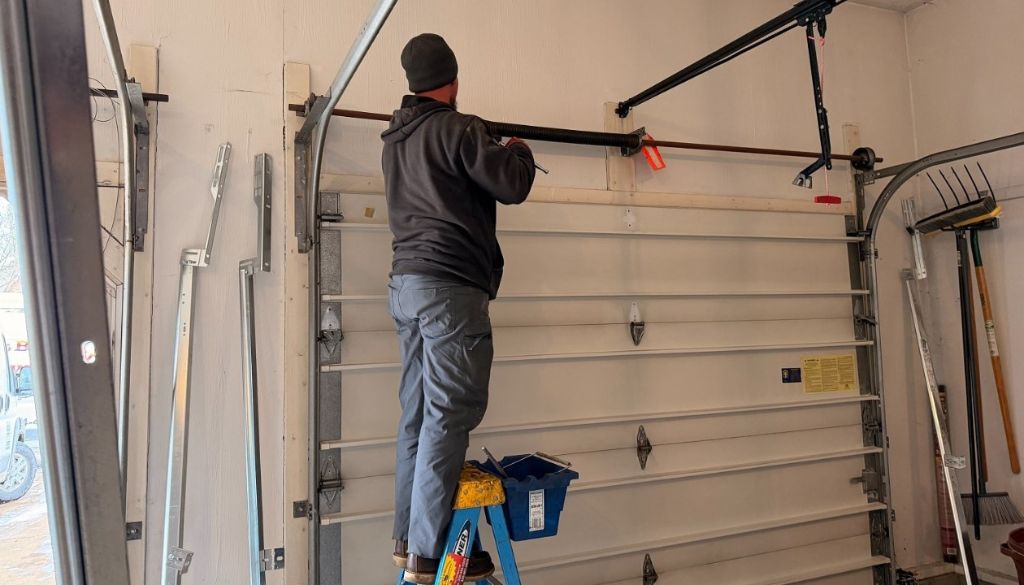
Rust is not just cosmetic. Rust produces surface roughness, and roughness increases rubbing between coils on torsion springs. That added rubbing can increase wear and trigger noisy operation. A little preventive maintenance can aid, but it can not reverse metal tiredness once the spring is near completion of its ranked life.
If your garage is not climate regulated and the door gets utilized heavily with all seasons, it makes sense to examine spring condition extra carefully after 5 to 7 years, also if no apparent failing has actually happened. The expense of monitoring is modest compared with the hassle of a break at the worst possible time.
Maintenance behaviors that can extend springtime life
No upkeep routine can make springs last for life, yet great care can aid them reach their intended lifespan and reduce stress on the whole door system. The fundamentals are not made complex, yet consistency matters.
Listen to the door when a month. New grinding, standing out, or straining sounds deserve attention. Watch the door action. Jerky traveling, irregular lifting, or a door that does not sit degree can indicate spring or cable television issues. Keep rollers, joints, and springtimes gently oiled with an item meant for garage doors. Schedule periodic service if the door obtains hefty usage or if it is older than 5 to 7 years. Test balance carefully with the opener disengaged, but only if you can do it securely and the door is not currently showing signs of failure.One care right here: lubrication helps reduce rubbing and sound, but it does not "repair" a worn spring. Individuals often listen to less sound after lubricating and assume the trouble is resolved. In reality, the springtime might still be nearing the end.
Does a new garage door change the spring schedule?
Yes, because brand-new garage door installment often alters the weight and equilibrium characteristics of the system. If you upgrade from an older non shielded door to a thicker shielded design, or switch from steel to timber, the initial springtimes may no longer be appropriate. Springs should match the real door weight and drum arrangement. Also tiny mismatches can cause bad balance and much shorter springtime life.
This is also why springtime job should not be dealt with as a generic parts swap. The right springtime is selected by greater than door size. Elevation, weight, cord drum size, shaft setup, and required cycle life all issue. An appropriately sized spring set can improve door feeling, minimize opener strain, and reduce repeat repairs.
When a new door enters, ask what cycle rating the springs have and whether an upgraded option is offered. The rate distinction between conventional and high cycle springtimes is typically reasonable compared to the labor price of future replacement. For a family that makes use of the garage continuously, updating at the beginning can be money well spent.
How the opener matches the picture
A garage door opener is commonly condemned for troubles that begin with springtime wear. That is not entirely unreasonable, because opener signs and symptoms are what most individuals observe initially. The remote quiting working regularly. The electric motor appears loud. The safety and security reverse ends up being unpredictable. The rail drinks more than typical. However in a lot of cases, the opener is not the root issue.
Think of the opener as a manager, not a worker. It controls activity yet should not be doing the actual training. A well balanced door can typically be raised manually with moderate effort. If your opener is drawing tough every day since weak springs are no longer doing their share, the opener will certainly pay the price.
That is why a service technician doing honest garage door repair checks equilibrium prior to marketing opener parts. It is additionally why springtime substitute and opener adjustment typically work together. Once new springs are mounted, opener pressure setups and take a trip limits may need great tuning so the whole system works smoothly.
Safety is the main reason this task comes from a pro
There are home jobs that award patience and mindful discovering. Garage door spring substitute is usually not one of them. Torsion springs are wound under significant stress. A blunder with winding bars, established screws, or door securing can create serious injury. Extension spring systems have their own threats, specifically if safety and security cable televisions are missing or damaged.
This is not scare talk. It is merely a category of repair where the kept power suffices to do real damage. A skilled professional recognizes just how to safeguard the door, choose the appropriate springtime, set appropriate tension, check wire alignment, verify balance, and examine associated hardware before returning the door to service.
Professional household garage door repair likewise helps you stay clear of a 2nd trouble, which is mounting the incorrect springtime. A door may appear to help a while with a wrong springtime, but the pressure shows up later in the opener, wires, drums, and door sections.
When commercial doors require a different strategy
Commercial garage door repair should have separate treatment since the operating needs are so different. A rolling steel solution door at a stockroom or an overhanging sectional door at a car shop can cycle much more in one month than a home door performs in a year. In that atmosphere, waiting on apparent signs is not a sound strategy.
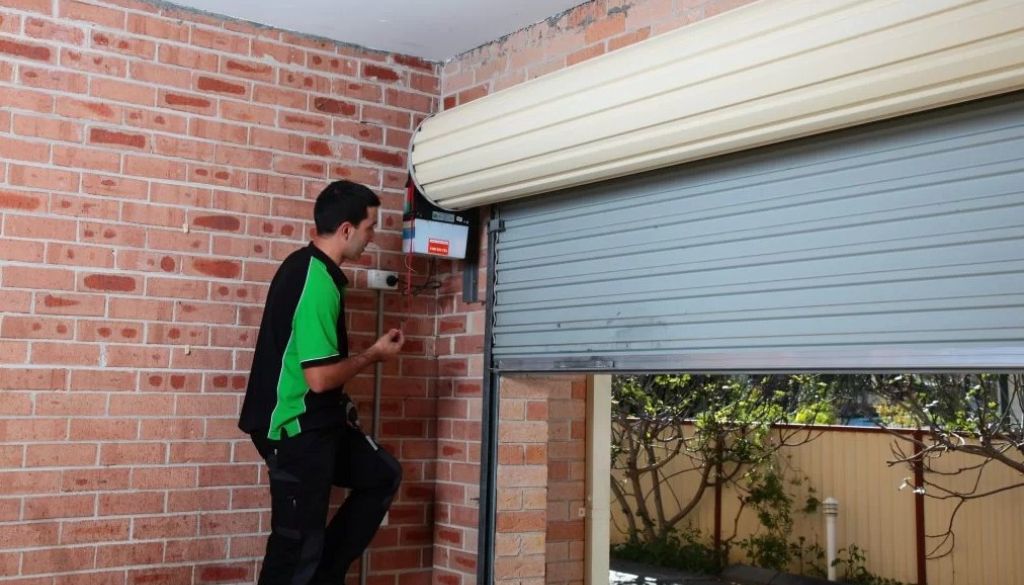
A planned maintenance timetable is the better approach. High cycle springs, regular equilibrium checks, and recorded assessments decrease downtime and aid prevent safety and security occurrences. If a commercial door belongs to everyday procedures, springtime failing is not simply troublesome. It can interrupt delivery, block car accessibility, and produce liability concerns if the opening is left unsecured.
For structure managers, the inquiry is less "exactly how usually need to springtimes be changed" and more "how do we match the springtime timetable to real usage." If a door is goal important, springtime substitute ought to be proactive rather than reactive.
A practical planning approach for homeowners
If you have no idea exactly how old your springs are, start with monitoring and a service check. Learn whether your system uses torsion or expansion springtimes, whether there is one spring or two, and whether the door is properly balanced. Ask the service technician for the likely cycle rating and whether the springs show up original to the door.
If your springs are past 7 years of ages and the garage sees daily use, it is sensible to start budgeting for garage door spring replacement, also if the door still works. If your household relies on the garage as the primary entrance, that budget plan should be a little bit greater on the concern checklist than many people understand. A stopped working springtime has a tendency to happen on a day morning, not when the timing is convenient.
Homeowners who are currently arranging garage door installment, significant garage door repair, or a garage door opener replacement ought to also ask whether the springs are still ideal for the setup. Incorporating related job can conserve labor and prevent a bit-by-bit repair cycle.
The ideal timing is not a repaired schedule date. It is the point where age, use, and signs and symptoms start to line up. For several homes, that minute gets here in between year 5 and year 8. For hefty usage homes, it can come earlier. For lightly made use of doors with well matched equipment, it can come later on. The objective is not to replace springtimes ahead of time. It is to replace them before they fail at full inconvenience and full risk.
A garage door can look basic from the driveway, however the springtime system is doing sophisticated, requiring job every day. Focus on use, pay attention to the door, and deal with spring substitute as intended maintenance rather than an emergency. That method safeguards the opener, prolongs the life of the door system, and maintains one of the busiest entry factors in your home working the method it should.